Navigating Cancer: Empowering Patients Through Education, Support, and Wellness
In the journey of battling cancer, knowledge becomes a powerful ally. For many individuals diagnosed with cancer, the overwhelming flood of information can feel daunting. Yet, empowering yourself with the right cancer education lays the foundation for informed decisions about your health and wellness. What if you could take control of your treatment journey by truly understanding the cancer types that affect you? By diving deeper into essential oncological knowledge, you equip yourself with tools that can significantly enhance your cancer care experience. Empowering Yourself: Essential Cancer Education for Every Patient is not just about absorbing facts; it’s about becoming a proactive participant in your health journey.
Imagine walking into a doctor’s office where the lingo is as foreign as a different language. This can be the experience of many cancer patients, feeling lost amidst terms such as chemotherapy, immunotherapy, and palliative care. However, education opens the door to understanding. Each type of cancer presents unique challenges and treatment options - would you feel more confident navigating these choices if you understood the differences between radiation therapy and targeted treatment? Take the time to familiarize yourself with cancer symptoms, potential tests like clinical trials, and how advanced therapies can be tailored to your specific diagnosis. Every piece of knowledge you gain is a step closer to empowerment.
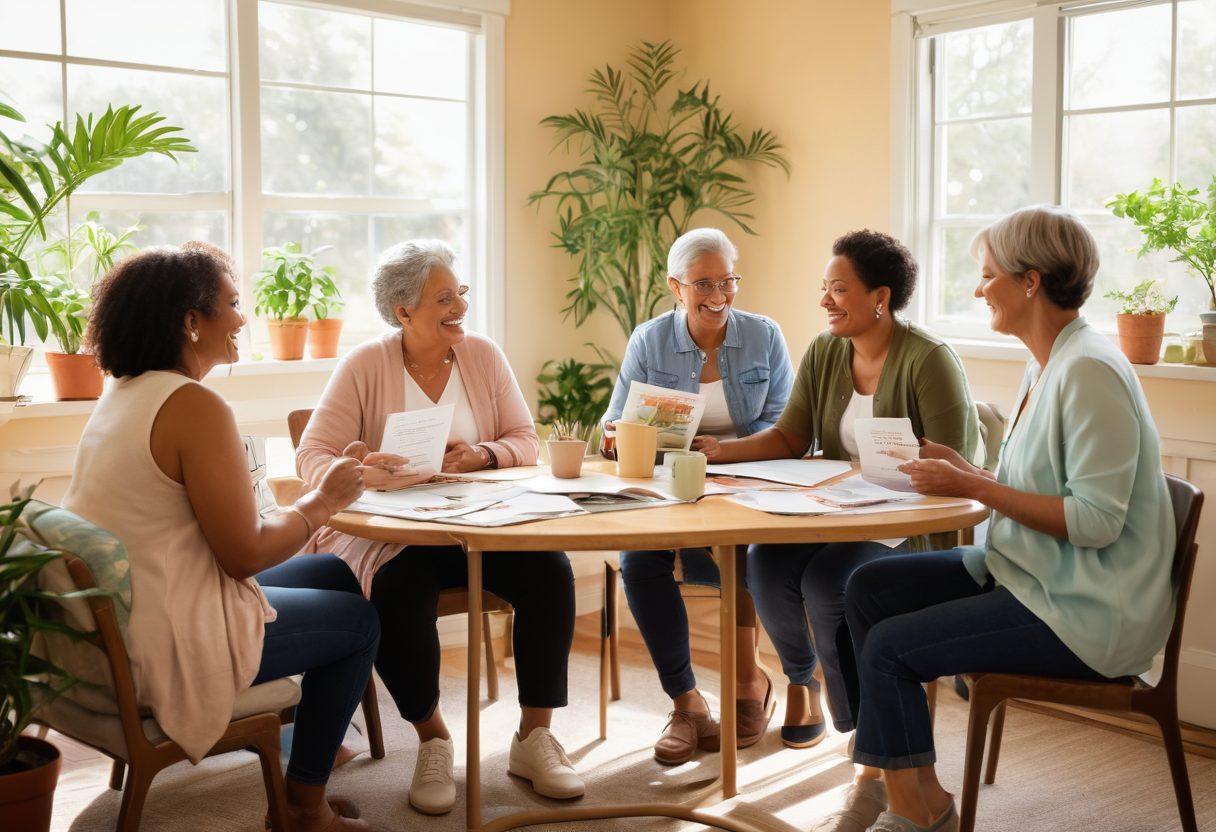
Engaging with patient support networks can also be transformative on this journey. These communities offer not only emotional support but valuable insights into coping strategies for cancer. Have you ever heard a cancer survivor story that gave you hope or a sense of belonging? Stories foster connection, showing that you are not alone in facing this challenge. Through oncology support groups, patients can share experiences, discuss lifestyle changes for cancer patients, and lean on each other through difficult times. It’s comforting to realize that others have walked a similar path and emerged as advocates for their own health, inspiring others along the way.
Cancer advocacy is another vital aspect of your empowerment journey. By educating yourself about cancer prevention, you position yourself to advocate not only for your health but also for future patients. Have you explored the risks associated with certain lifestyle factors? Simple changes, such as improving your cancer nutrition or prioritizing physical activity, can significantly impact your overall well-being and recovery. Communities focused on health and wellness provide resources and support, enhancing your ability to lead a healthier life. You don’t just become a patient; you become a warrior for your own health and the well-being of others.
Finally, keep in mind that your cancer education is not a solitary endeavor. As you explore various resources, look for reputable oncology blogs, research articles, and published materials that can supplement your understanding. Stay proactive in your journey by asking questions, seeking out information about early detection methods, and staying informed about latest developments in cancer treatment. Every lesson learned is a form of empowerment—an opportunity to shape your own narrative. So, what will you discover next on this incredible journey of understanding and fighting cancer?
Building a Supportive Community: Resources that Make a Difference in Cancer Care
When facing the daunting world of cancer care, the journey can often feel isolating. It’s easy to feel like you’ve been cast adrift in a stormy sea. But here’s the good news: **building a supportive community** can be a transformative lifeboat for patients and their families. Together, we can navigate the turbulent waters of cancer education, advocacy, and wellness, discovering the tools and resources needed to sail towards hope and recovery. Is it possible that the stories of cancer survivors serve as the beacon of light we all need?
Imagine sitting in a community center, surrounded by allies who share your experience. There’s something incredibly powerful about talking to individuals who truly understand your cancer symptoms and the zigzagging path of treatment. Whether it’s chemotherapy, radiation therapy, or the newer options like immunotherapy, connecting with others can provide insights that drastically shape your care plan. An oncology blog dedicated to sharing cancer survivor stories offers not only hope but also practical coping strategies for cancer that can be life-changing.
Have you ever thought about how friendship can strengthen your resolve? Through patient support networks, individuals dealing with all cancer types can find solace. These groups offer more than just a listening ear; they are practical hubs for **health and wellness** tips, lifestyle changes for cancer patients, and cancer nutrition advice that can help bolster your strength during treatment. Remember, ‘It is not the years in your life that count, it's the life in your years.’ This poignant reminder can fuel your commitment to recovery, one step at a time.
Additionally, in the realm of cancer care, education is a formidable ally. Early detection practices and understanding clinical trials can empower patients to make informed choices. Whether you’re learning about cancer prevention strategies or comprehending the nuances between palliative care and curative treatments, knowledge equips you for battle. As questions arise, don't hesitate to seek answers from community resources, oncology support groups, or informative platforms. The journey becomes less intimidating when shared with others who are on a similar path.
Reinforcing the importance of connection, let's not forget the family aspect. Supporting a loved one through their cancer journey requires patience and understanding. Encourage them to explore community resources that promote emotional and physical healing—after all, 'Together we are stronger.' The wellness community thrives when equipped with compassion and empathy. By joining forces, we not only uplift ourselves but also advocate for a healthier future for all cancer patients. What actions can you take today to foster a more compassionate community around you?
Thriving Beyond Diagnosis: Exploring Wellness, Nutrition, and Coping Strategies
When faced with a cancer diagnosis, the world often feels like it's been turned upside down. However, the journey after such a life-altering moment does not have to be defined solely by the challenges it brings. Rather, it can be a path of thriving, where knowledge becomes power and support systems transform fear into hope. In this exploration of wellness, nutrition, and coping strategies, we uncover the very essence of what it means to thrive beyond diagnosis. Have you ever wondered how cancer education and patient support networks can impact both the mental and physical wellness of patients?
Navigating cancer is akin to embarking on an uncharted voyage—every step can be daunting yet filled with possibilities. Stories of cancer survivors resonate with inspiration, showing us the resilience of the human spirit. For instance, consider the tale of Maria, who, armed with knowledge from an oncology blog, altered her approach to health and wellness after her diagnosis. She embraced lifestyle changes for cancer patients by incorporating fresh, nutrient-rich foods. ‘I believed I was taking charge of my body, not just fighting the disease,’ she shared. What strategies are you willing to adopt in your wellness journey?
Good nutrition plays a pivotal role in cancer care and can be a formidable ally in the battle against cancer. Understanding cancer nutrition is essential—not just to fuel the body, but to bolster the mind. Research shows that a balanced diet can help manage symptoms and enhance the effectiveness of treatments like chemotherapy, radiation therapy, and immunotherapy. So what does a healthy diet look like for cancer patients? It often involves delicious fruits, colorful vegetables, lean proteins, and whole grains. It may require reevaluating your choices and developing new, exciting recipes that not only nourish your body but also bring joy to your palette. How willing are you to experiment in the kitchen for your health?
Coping strategies for cancer can also vary greatly from one individual to another, highlighting the importance of finding what resonates best for you. Whether it’s journaling your thoughts, connecting with patient support networks, or engaging in palliative care, each method offers its unique benefits. Consider the therapeutic effect of sharing your story in a support group or finding solace in mindfulness practices. Recall that your journey is yours to carve; it’s not just about surviving but also about thriving. Would you be open to sharing your story with others to inspire and empower?
Ultimately, the path forward hinges on a blend of education, community, and self-care. Stay informed about cancer types and the latest advancements in cancer prevention, clinical trials, and available treatments. As you gather knowledge and foster connections through cancer advocacy efforts, remember that you are not alone. With a net of support, resilience, and a rich understanding of wellness, you can navigate the waters of cancer with grace and strength. What steps will you take today to bolster your health and well-being on this journey?